






Every wardrobe benefits from a well-made button‑up. This guide walks you through what truly matters when buying a luxury men's shirt — fabrics, construction, fit, and care — so you spend on pieces that last and feel great. We’ll decode the details shoppers often miss and explain why names like luxury men's button‑ups stand apart: quality isn’t just visible, it’s felt in the fabric and built into the seams.
Which fabrics set the standard for luxury dress shirts?
The fabric determines how a shirt looks, feels, and performs. Luxury shirts use materials chosen for durability, hand, and how they wear over time. Knowing the differences helps you pick a shirt that suits your climate and style.
Why is Egyptian cotton so prized for luxury shirts?
Egyptian cotton is prized for its extra‑long fibers. Those longer staples make the fabric softer, stronger, and smoother — properties that translate to less pilling and a cleaner drape. It breathes well and holds a press, so your shirt looks sharp through the day without feeling stiff. For many, that combination of durability and a luxurious hand makes Egyptian cotton the go‑to for investment shirts.
Research supports what tailors have known for years: extra‑long staple cottons offer distinct performance and a finer hand than shorter‑fiber varieties.
What do silk, linen, and wool bring to a shirt?
Each fabric brings a distinct character and use case:
-
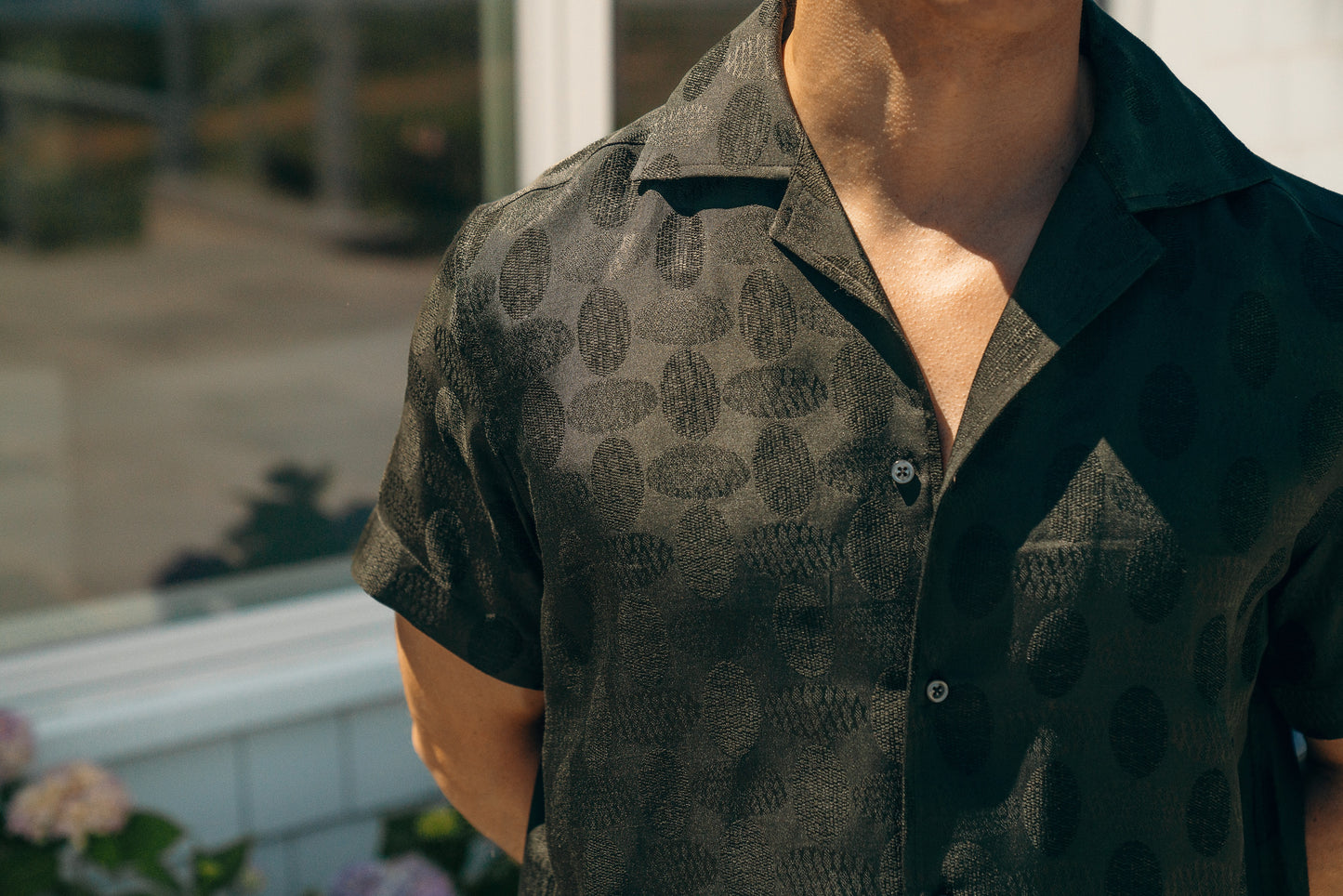
Silk: Lightweight with a natural sheen and fluid drape — perfect when you want a refined, dressier look.
-
Linen: Exceptionally breathable and casual in appearance; ideal for warm weather and relaxed tailoring.
-
Wool: Used less often in shirts, fine wool blends can add warmth and structure for cooler months while keeping a soft hand.
Pick the fabric based on comfort, climate, and how formal you want the shirt to read.
How does construction change a shirt from good to great?
Construction is where quality shows up every day: the seams that hold, the collar that keeps shape, the buttons that don’t crack. Luxury shirts are made with attention to technique and finishing — that’s what gives them longevity and a cleaner silhouette.
Why single‑needle stitching signals true craftsmanship
Single‑needle stitching uses one thread path per seam, which creates a neater, stronger finish and reduces bulk. The result is a cleaner line, less chance of fraying, and a garment that withstands repeated wear — all signs of careful construction rather than mass production shortcuts.
That focus on old‑school tailoring reflects the industry’s appreciation for techniques that improve fit and lifespan — the kind of detail luxury buyers value.
Do mother‑of‑pearl buttons matter?
Yes. Mother‑of‑pearl buttons are durable and refract light in a way plastic never will. They resist cracking, feel weighty, and add a subtle, refined finish — a small detail that signals care in every other part of the build.
Which features indicate a durable luxury shirt?
Look for specific construction choices that extend a shirt’s life. These aren’t flashy — they’re practical, and they matter a lot once you start wearing the shirt regularly.
How do stitch density and seam strength affect longevity?
More stitches per inch generally equal stronger seams and less gap when the fabric is stressed. Reinforced stitching in areas that take the most strain — shoulders, side seams, yoke — prevents tearing and helps the shirt keep its shape wear after wear.
Technical studies show that stitching parameters directly influence tensile strength and durability — the same principles apply to garments as they do to other stitched composite materials.
Why collars, cuffs, and gussets deserve your attention
These elements control fit and stress points:
-
Collars: A well‑built collar keeps its shape and looks crisp after hours of wear.
-
Cuffs: Reinforced cuffs stand up to repeated movement and laundering.
-
Gussets: Small, sometimes unseen, gussets at the hem or underarm add strength and freedom of movement — a hallmark of thoughtful construction.
Collectively, these details keep the shirt performing and looking sharp longer.
How do you find the right fit and style?
Fit changes how a shirt reads on your body. Luxury brands typically offer several cuts; choose the one that suits your frame and the looks you wear most.
Slim, regular, tailored — what’s the difference?
Here’s a simple breakdown:
-
Slim fit: Trim through the chest and waist for a modern silhouette — best for leaner builds.
-
Regular fit: A more generous cut that prioritizes comfort without excess fabric — versatile for many body types.
-
Tailored fit: A middle ground — shaped through the body for a clean, refined look while allowing movement.
How to style button‑ups for different occasions
One great shirt can do many jobs. Match fabric and fit to the setting:
-
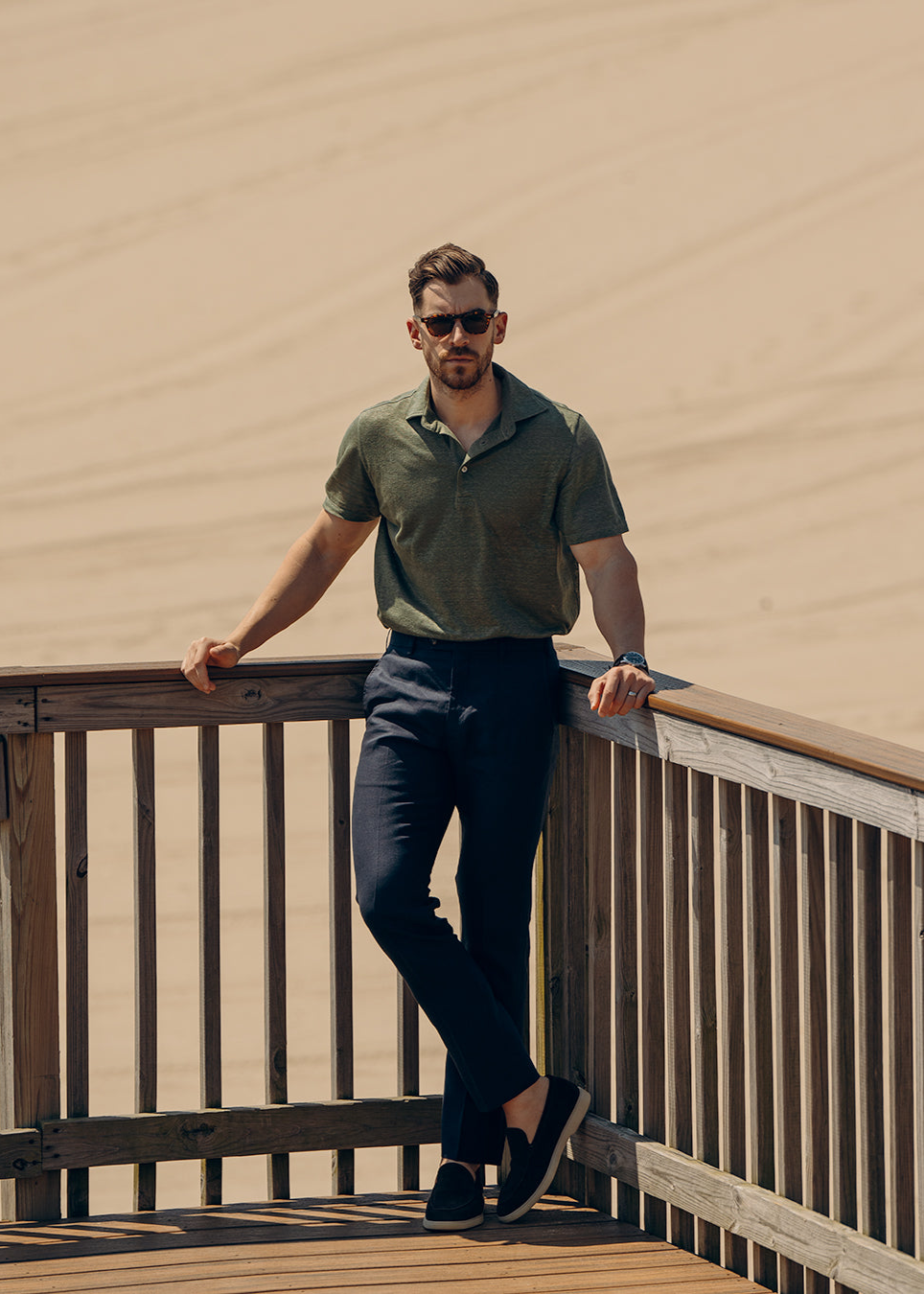
Casual: Linen or lightweight cotton with chinos and loafers for an easy, put‑together look.
-
Business casual: A crisp cotton shirt with tailored trousers and dress shoes hits the sweet spot between professional and wearable.
-
Formal: Opt for a fine cotton or silk blend under a suit; keep colors classic and the fit impeccable.
How should you care for luxury shirts?
Good care preserves the fabric and the fit. A few straightforward habits will keep shirts looking newer, longer.
Washing and ironing: cotton vs. silk
Handle fabrics according to their needs:
-
Washing: Follow the care label. Cotton fares well on a gentle, cold cycle; silk is best hand‑washed or dry‑cleaned to protect the fibers.
-
Ironing: Low heat for silk, medium for cotton. Iron inside‑out when possible to protect the face of the fabric and preserve any finish.
Simple tips to extend a shirt’s life
Small routines make a big difference:
-
Hang smart: Use shaped or padded hangers to keep shoulders and collars in shape.
-
Don’t overwash: Spot clean between wears and wash only when needed to preserve fibers and color.
-
Use protectors selectively: Fabric guards can help repel stains, but test any product on an inconspicuous area first.
These steps will help your investment pieces stay in rotation for years.
Why consider Wolf vs Goat when shopping for button‑ups?
Wolf vs Goat focuses on thoughtful design and quality materials. Their approach balances performance and polish, producing pieces that wear well and look smarter for longer.
How does Wolf vs Goat maintain consistent quality?
Quality control and careful construction are central to their process. Pieces are assembled with premium fabrics and traditional techniques so every shirt meets standards for fit, finish, and durability.
What perks come with the WvG Rewards program?
The WvG Rewards Program gives members practical benefits:
-
Member discounts: Ongoing savings to make building a refined wardrobe easier.
-
Early access: First looks at new drops and limited editions.
-
Community perks: Events and content aimed at helping members refine their style.
If you have questions, our customer support team is ready to help.
Choosing Wolf vs Goat means buying with confidence: considered design, reliable service, and pieces that hold up to real life.
Frequently Asked Questions
What should I consider when choosing the right fabric for a luxury button‑up shirt?
Think about breathability, hand (how it feels), and durability. Egyptian cotton delivers softness and a clean drape; silk offers luxe sheen and dressier movement; linen is the go‑to for warm weather. Match fabric choice to how and where you’ll wear the shirt.
How can I tell if a luxury shirt is worth the investment?
Inspect the construction: single‑needle seams, reinforced stress points, and quality buttons are strong indicators. Combine that with fabric quality and the brand’s reputation — plus reviews and return policies — to assess overall value.
How should I style a luxury button‑up for a formal event?
Pair a well‑fitted cotton or silk‑blend shirt with a tailored suit and a silk tie. Keep colors classic (white, pale blue) and make sure the shirt is pressed and fits cleanly across the shoulders and chest.
How often should I wash my luxury button‑up shirts?
Aim to wash every 3–4 wears unless the shirt is visibly soiled. Spot clean when possible and follow the garment’s care instructions to avoid unnecessary wear from frequent laundering.
What are the advantages of a tailored fit versus a regular fit?
A tailored fit offers a sharper silhouette that still allows movement — it’s a refined alternative to a boxier regular cut. Tailored shirts tend to look neater under jackets and give a more modern overall appearance.
What care routines help prolong the life of luxury shirts?
Store shirts on shaped hangers, avoid overwashing, and treat stains promptly. Iron inside out and dry‑clean delicate fabrics as recommended. These habits preserve fabric structure and color over time.
Conclusion
Buying better shirts starts with knowing what to look for: the right fabric, careful construction, and a fit that suits you. Invest in pieces built to last, care for them thoughtfully, and you’ll get more wear and better-looking results. Explore our collection to find shirts that combine craftsmanship with everyday wearability.